
 How-to
How to Avoid Hidden Home Repair Costs Before They Hit
Last Updated: November 1, 2026
Quick Summary
Avoid hidden home repair costs by building a repair reserve of 1% to 3% of your home's value, running a seasonal maintenance checklist, and inspecting room by room before you buy. Ask contractors what could change the scope, and plan a 20% to 30% contingency on any major repair.
- Hidden ownership costs average around $18,000 a year nationwide, per CNBC.
- Only 41% of homeowners could cover a $500 repair out of pocket.
- Size your reserve from 1% of value for a new build to 3% for 30+ years.
- Compare at least three written estimates on the same scope, side by side.
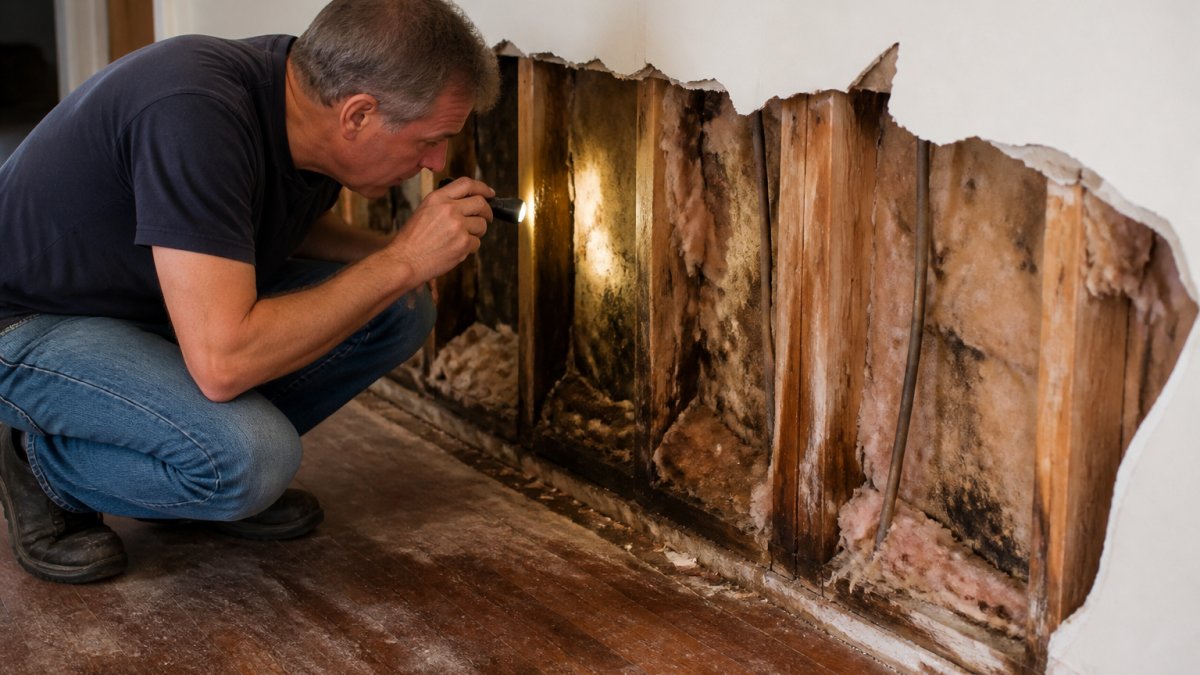
- A $2,000 drywall repair can become a $10,000 to $20,000 mold project.
Table of Contents
- Why Hidden Home Repair Costs Catch Homeowners Off Guard
- Build a Home Repair Budget That Covers the Unexpected
- Use a Preventive Home Maintenance Checklist to Stop Small Fixes From Escalating
- Inspect Room by Room and System by System Before You Buy
- Contractor Repair Estimate Questions That Expose Hidden Costs
- Know Which Expensive Repairs Are Most Likely to Hide Extra Costs
- Check Insurance, Warranties, and Exclusions Before You Rely on Them
- Plan Your Purchase With a Local Agent Who Prices Repairs Into the Offer
- Frequently Asked Questions
Why Hidden Home Repair Costs Catch Homeowners Off Guard
Hidden home repair costs are the unplanned expenses that surface after closing, and they hit harder than most buyers expect. CNBC's reporting on homeownership costs found that hidden ownership costs average around $18,000 a year nationwide, and roughly 19% of homeowners say maintenance bills caught them by surprise.
The pattern is predictable. Most budgets account for the payment and the down payment. Few account for the house itself.
- A roof that looked fine in July leaks in January
- An HVAC system that passed inspection fails in the first heat wave
- A slow drip under a sink turns into a subfloor repair
The fix is not luck. It is planning, inspection, and a repair budget built before you sign.
Build a Home Repair Budget That Covers the Unexpected
A home repair budget is a set-aside amount you reserve each month for maintenance and fixes, separate from your mortgage payment.
Start with a baseline.
The research backs up the need. ConsumerAffairs' survey of 1,000 homeowners found the average home carries $3,150 in repairs that have not been made, and only 41% of homeowners could cover a $500 repair out of pocket.
How to Size Your Repair Reserve
Size your reserve by home age, condition, and systems nearing the end of their life. A new build needs less. A 30-year-old house with original systems needs more.
Use this starting framework:
| Home Situation | Annual Reserve Target | Why |
|---|---|---|
| New build, under 5 years | 1% of value | Mostly cosmetic and minor |
| 6-15 years old | 1.5% of value | First system replacements appear |
| 16-30 years old | 2% of value | Roof, HVAC, and water heater cycles |
| 30+ years or deferred upkeep | 3% of value | Structural and system catch-up |
Keep the reserve in a separate, labeled high-yield savings account. Do not touch it for vacations.
Use a Preventive Home Maintenance Checklist to Stop Small Fixes From Escalating
A preventive home maintenance checklist is a recurring list of seasonal tasks that protect your home's systems before they fail.
Small maintenance issues can escalate into much larger repairs.
Run this checklist every season:
- Replace HVAC filters every 1-3 months
- Test smoke and carbon monoxide detectors monthly
- Clean gutters in spring and fall
A Prioritized Maintenance Calendar With Estimated Costs
Some tasks protect against catastrophic damage. Others are cosmetic. Prioritize by cost of failure, not cost of the task.
| Season | Task | Typical DIY Cost | Cost If Ignored |
|---|---|---|---|
| Spring | Gutter cleaning | $0-$150 | $2,000+ water damage |
| Spring | AC tune-up | $100-$200 | $1,500+ compressor |
| Summer | Exterior caulking | $50-$100 | $3,000+ siding rot |
| Fall | Furnace inspection | $100-$250 | $800+ emergency call |
| Fall | Weatherproofing | $50-$200 | Higher heating bills |
| Winter | Pipe insulation | $30-$80 | $5,000+ burst pipe |
| Year-round | Water heater flush | $0-$150 | $1,200+ replacement |
Treat the "cost if ignored" column as your real budget driver. That is where hidden home repair costs come from.
Inspect Room by Room and System by System Before You Buy
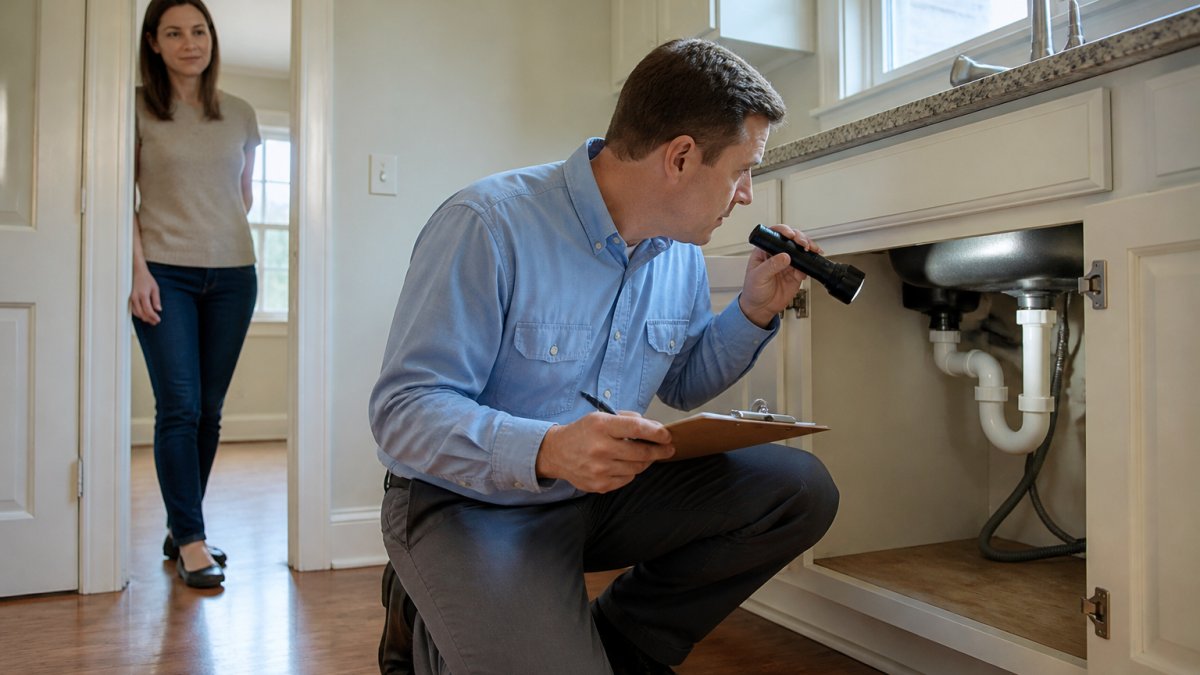
A property inspection is your best defense against surprise repairs, but only if you walk it room by room and system by system.
Here is how we would do it:
- Roof and attic. Look for stains, sagging, and daylight through the decking.
- Foundation and crawlspace. Check for cracks, moisture, and termite evidence.
- HVAC. Note the age of the unit and ask for service records.
- Plumbing. Run every faucet, check under every sink, and look at the water heater's date.
- Electrical. Confirm the panel type and look for ungrounded outlets.
- Kitchen and baths. Check for water damage around fixtures and behind tiles.
- Windows and doors. Test the seals and look for fogged glass.
- Exterior. Look at grading, drainage, and siding condition.
Early detection is the whole game. A home inspection can uncover issues that are far costlier to fix after closing.
Contractor Repair Estimate Questions That Expose Hidden Costs
A contractor repair estimate is only useful if it is itemized, written, and specific.
Ask these questions before you sign anything:
- Is this a fixed price or an estimate with contingencies?
- What is excluded from this scope?
- What could change the price, and by how much?
That last question matters most. "We'll deal with it when we get there" is how a $6,000 job becomes $11,000.
How to Evaluate Estimates and Avoid Unnecessary Work
Compare at least three written estimates on the same scope, side by side.
Red flags to watch for:
- A single lump-sum number with no breakdown
- Pressure to sign the same day
- Large cash deposits before work starts
Watch out: the cheapest bid often becomes the most expensive job. Low bids frequently exclude permits, disposal, and cleanup, then add them back as change orders.
Get everything in writing. Then get a second opinion on any repair over a few thousand dollars.
Know Which Expensive Repairs Are Most Likely to Hide Extra Costs
The expensive repairs are rarely the surprise, what hides inside them is. Once walls open up or a contractor starts tearing off shingles, the scope can double.
Here are the repairs most likely to reveal hidden costs, with typical ranges and the mechanisms that drive escalation.
Foundation Repair
Foundation repairs often uncover drainage and grading issues that caused the problem. A crack repair might run $500 to $1,500, but poor drainage may also require regrading, downspout extensions, or a French drain, adding $2,000 to $8,000. Pier and beam leveling can run $3,000 to $10,000 depending on the number of piers and accessibility.
Roof Replacement
A roof replacement estimate of $8,000 to $15,000 for asphalt shingles often assumes the decking is sound. Rotted decking adds $500 to $2,000 or more depending on square footage. Multiple layers that must be torn off raise disposal costs, and steep pitch, skylights, or chimneys increase flashing and labor costs.
Water Damage and Mold
Water damage repairs often hide mold remediation: a $2,000 drywall repair can become a $10,000 to $20,000 project if mold is found behind walls. Mold remediation typically runs $1,500 to $6,000 for small areas but can exceed $20,000 for extensive contamination. Insurance may cover the water damage but exclude the mold if it resulted from long-term neglect.
HVAC Replacement
An HVAC replacement estimate of $5,000 to $12,000 often assumes the ductwork is adequate. Leaky, undersized, or improperly routed ducts add $2,000 to $6,000 for sealing or replacement. If the system uses older refrigerant that is being phased out, the new system may require a different refrigerant and possibly a new line set.
Sewer Line Repair
Sewer line repairs can run $3,000 to $15,000 or more depending on method and depth. Trenchless repair is less invasive but not always possible, and if the line runs under a driveway, patio, or mature landscaping, restoration costs add up, a $5,000 repair can become $12,000 once the driveway is replaced. Proactive planning for these secondary expenses remains the most effective strategy for avoiding home renovation costs when unexpected structural failures arise.
Termite and Pest Damage
Termite treatment itself might cost $500 to $2,500, but carpentry to repair damaged wood can run thousands more, and structural damage can exceed $10,000. Pest damage is often discovered late because it happens out of sight.
Ask your contractor upfront what could change the scope and by how much. A contractor who can explain the likely hidden costs is more trustworthy than one who promises a fixed price on a job that rarely stays fixed.
Check Insurance, Warranties, and Exclusions Before You Rely on Them
Homeowners insurance is not a maintenance policy. It covers sudden, accidental events, not worn-out parts, and the line between the two is narrower than most homeowners assume.
A roof that fails from age is a maintenance issue. A roof damaged by hail is a claim. A pipe that bursts from freezing is typically covered. A pipe that leaks slowly for months and rots a subfloor is usually not, because the damage developed over time and could have been prevented with maintenance.
Read these before you count on coverage:
- Perils excluded. Flood and earthquake are almost always separate policies or endorsements. Standard homeowners policies exclude them. If you are in a flood zone, you need a separate flood policy through the National Flood Insurance Program or a private carrier.
- Replacement cost vs. actual cash value. Replacement cost pays to rebuild with new materials. Actual cash value pays depreciated value. A 15-year-old roof on an actual cash value policy may pay a fraction of replacement cost.
- Deductibles. Most policies have a flat deductible, but wind and hail claims often carry a separate percentage deductible, typically 1% to 5% of the dwelling coverage. On a $350,000 policy, a 2% wind deductible is $7,000 out of pocket before insurance pays anything.
What Home Warranties Actually Cover
Home warranties sound like protection. In practice, they are service contracts with narrow coverage and caps.
A typical home warranty covers mechanical systems and appliances, but the fine print matters:
- Pre-existing conditions are excluded. If a system was already failing at the time of purchase, the warranty will likely deny the claim.
- Payout caps apply per item and per term. A water heater cap might be $500 to $1,500, far below a full replacement with code upgrades.
- Service fees per visit. Most warranties charge a trade service call fee of $75 to $125 each time a contractor comes out, even if the claim is denied.
Seller Disclosures and Pre-Closing Protection
Seller disclosures are required in most states, but they are not a guarantee, sellers disclose what they know, and some defects are genuinely unknown.
During the inspection contingency period, you have leverage.
If the seller will not provide records, treat that as a signal. Price the risk into your offer or negotiate a repair credit before closing.
Plan Your Purchase With a Local Agent Who Prices Repairs Into the Offer
Hidden home repair costs are cheapest to handle before closing, when they are still negotiating use.
A local agent who knows the housing stock can price likely repairs into your offer. That is where Abrams Realty can help.
The goal is simple: learn about potential issues early. Get the inspection, get the estimates, and negotiate before you sign.
Frequently Asked Questions
How can I avoid unexpected home repair costs?
Start with a home inspection that covers the roof, foundation, HVAC, plumbing, and electrical systems, then read the report line by line instead of skimming it. Set aside a repair reserve before you close. Follow a preventive home maintenance checklist so small issues get fixed before they escalate, and get two or three written estimates for any job over a few hundred dollars.
How much should I budget for home repairs each year?
Older homes and homes with aging HVAC or roof systems generally call for setting aside more. Build your home repair budget around the age of each major system rather than a flat percentage alone, and revisit the number after every inspection.
What should I ask a contractor before approving a repair?
Ask for a written scope that lists what is included and what is excluded, whether the price is fixed or billed hourly plus materials, and who pulls the permits. Request photos of the damage, a line-item breakdown of labor and materials, and a clear statement of what happens if they find additional damage mid-job. Get the payment schedule and warranty terms in writing. Two or three competing estimates on the same scope will show you quickly whether a number is reasonable.
What should I do if a contractor finds additional damage during a repair?
Stop and ask for photos and a written change order before any extra work begins. A legitimate discovery, such as rotted subfloor under a leaking shower or a cracked heat exchanger, should come with visual evidence and a revised price you approve in writing. Compare the new scope against your original estimate and get a second opinion if the added cost is large. Never let a contractor expand the job verbally, because undocumented additions are where hidden repair costs usually appear.
The difference between a stressful purchase and a smooth one usually comes down to preparation. If you are buying in the Virginia Beach and Hampton Roads area, let Abrams Realty price the repairs before they become your problem. Our advanced property search, free Property Tracker alerts, and direct MLS updates put the right homes in front of you fast, and our team guides you through every inspection and negotiation. Get started with Abrams Realty and buy with your eyes open.