 Listicle
8 Things Reliable Home Inspectors in Virginia Beach Get Right
Last Updated: November 4, 2026
Quick Summary
Reliable home inspectors in Virginia Beach hold a current Virginia license you can verify through the state lookup, document their scope and fees in writing, and know coastal risks like wind-driven rain, salt corrosion, and tidal flooding. Ask about certification, insurance, report format, and follow-up before you book, and read the report the day it arrives.
- A typical home inspection takes two to four hours, depending on the home's size, age, and condition.
- Confirm the inspector's Virginia license through the Department of Professional and Occupational Regulation lookup.
- Water testing, sewer scope, radon, mold sampling, and wind mitigation are commonly add-on services.
- Structural movement, active water intrusion, roof deficiencies, and electrical hazards warrant a conversation.
- Book as soon as your offer is accepted, because inspection contingencies move quickly.
Table of Contents
- Why a Home Inspection Matters More Than Most Buyers Realize
- How We Evaluated Reliable Home Inspectors in Virginia Beach
- What to Ask a Home Inspector Before You Book
- The Home Inspection Checklist for Buyers That Covers the Scope
- Coastal Risks That Separate Local Inspectors From Generic Ones
- Home Inspection Report Red Flags Worth Acting On
- How Long Does a Home Inspection Take in Hampton Roads?
- What an Inspection Does Not Cover
- Working With Abrams Realty on Your Next Inspection
- Frequently Asked Questions
Why a Home Inspection Matters More Than Most Buyers Realize
A home inspection is a limited, visual examination of a property's readily accessible systems and components, performed to identify material defects before a buyer commits to the purchase. It is the single best opportunity a buyer gets to learn what they are actually buying while they can still renegotiate or walk away.
The stakes are easy to underestimate. According to Opendoor's guide to what home inspectors look for, a large majority of inspections turn up at least one issue, which means the question is rarely whether something will surface but how serious it will be. Abrams Realty has guided thousands of Hampton Roads buyers through this stage, and the pattern holds: the buyers who treat inspection as a formality are the ones who absorb surprises after closing. Buyers who want to get ahead of that risk can learn how to avoid hidden home repair costs before they hit.
Virginia Beach adds a wrinkle. Coastal homes deal with wind, salt air, humidity, and tidal flooding exposure that inland properties often face differently.
That is why the inspector you choose matters as much as the inspection itself. Below, this guide breaks down what reliable home inspectors in Virginia Beach consistently get right, how to vet them, and where the process can go wrong.
How We Evaluated Reliable Home Inspectors in Virginia Beach
Reliability in this trade comes down to verifiable credentials, documented scope, and clear communication, not marketing language. This evaluation weighs licensing and certification, published service and fee information, local coastal experience, report quality, and responsiveness.
A note on the local landscape: Virginia Beach has no shortage of inspection providers. The pool includes established franchise offices, independent firms with dedicated local pages, and inspectors listed in professional directories such as InterNACHI's certified inspector directory. Availability ranges widely, and some companies advertise same-day service while others book days out.
| What to Verify | Why It Matters | How to Check |
|---|---|---|
| License and certification | Confirms the inspector meets state and professional standards | State licensing records, InterNACHI listing |
| Published scope and fees | Reveals what the inspection includes before you commit | Company services and fees page |
| Coastal experience | Determines whether flood, wind, and moisture issues get attention | Ask directly about coastal properties |
| Report format and delivery | Affects how quickly you can act during your contingency window | Request a sample report |
| Follow-up access | Lets you ask questions after you read the findings | Confirm before booking |
One practical observation: an inspector who cannot explain their scope in plain language before you book will not explain their findings clearly afterward either.
What to Ask a Home Inspector Before You Book
The right questions separate a thorough professional from a fast booking, and the answers matter more than the questions. Ask them before you pay, not after the report lands. The local pool is large, so a short, disciplined interview does more for you than a long list of names.
Start with credentials, because Virginia regulates this trade. Ask whether the inspector holds a current Virginia home inspector license and whether that license is in good standing. You can confirm it yourself through the Virginia Department of Professional and Occupational Regulation license lookup, which is the primary record and beats any badge on a website. Then ask which certification body the inspector belongs to and whether the firm carries general liability and errors and omissions coverage; a professional who cannot answer the insurance question plainly is telling you something.
Move to scope next. Ask what systems and components the inspection covers, whether the roof and crawlspace are included or accessed only when conditions allow, and which services cost extra. Water testing, sewer scope, radon, mold sampling, and separate wind mitigation evaluations are commonly add-on services, and you want to know before booking which ones the base inspection leaves out.
Then ask about the report. When will it arrive, in what format, and can you see a sample? A report you can read and act on beats a thick PDF full of boilerplate. Ask how findings are labeled, whether photos are embedded next to each item, and whether the inspector separates safety concerns from maintenance notes.
Finally, ask about follow-up. Can you call with questions after you read it, and will the inspector walk you through a finding you do not understand? Reliable inspectors expect that call.
- Confirm the Virginia license and check it in the state lookup
- Ask about certification body and insurance coverage
- Get the full scope in writing, including exclusions and access limits
- Ask which services cost extra before booking
- Request a sample report and confirm how findings are labeled
- Confirm delivery timeline and follow-up availability
Ask any inspector which credential they hold, what it required, and how it is maintained. A specific, verifiable credential is a useful signal when comparing candidates.
Watch out: booking on price alone can leave add-on fees for later or hide an inspection scope that excludes the crawlspace and roof.
The Home Inspection Checklist for Buyers That Covers the Scope
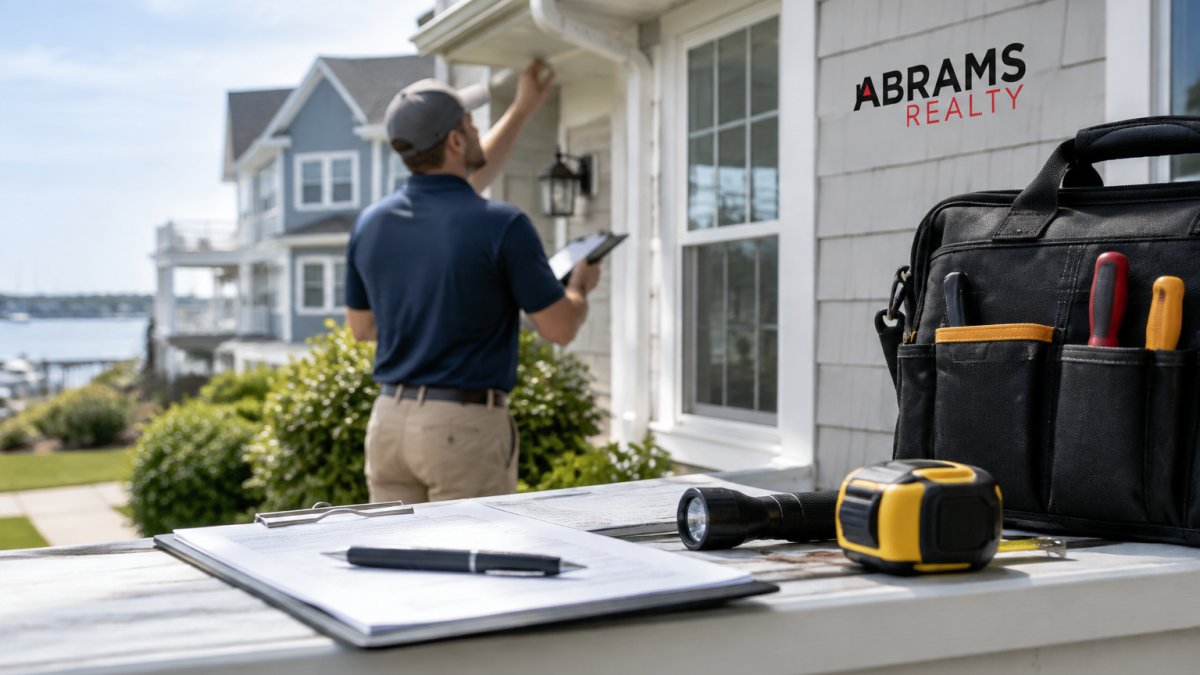
A buyer's checklist should mirror what a thorough inspection actually examines, so nothing gets missed on either side of the transaction. Use it to prepare questions and to review the report afterward.
The core systems are structural components and foundation, roof covering and flashing, exterior siding and grading, electrical systems and panels, plumbing supply and drainage, HVAC equipment, insulation and ventilation, and interior elements including windows and doors. Safety items such as handrails, GFCI protection, and smoke and carbon monoxide alarms belong on the list too.
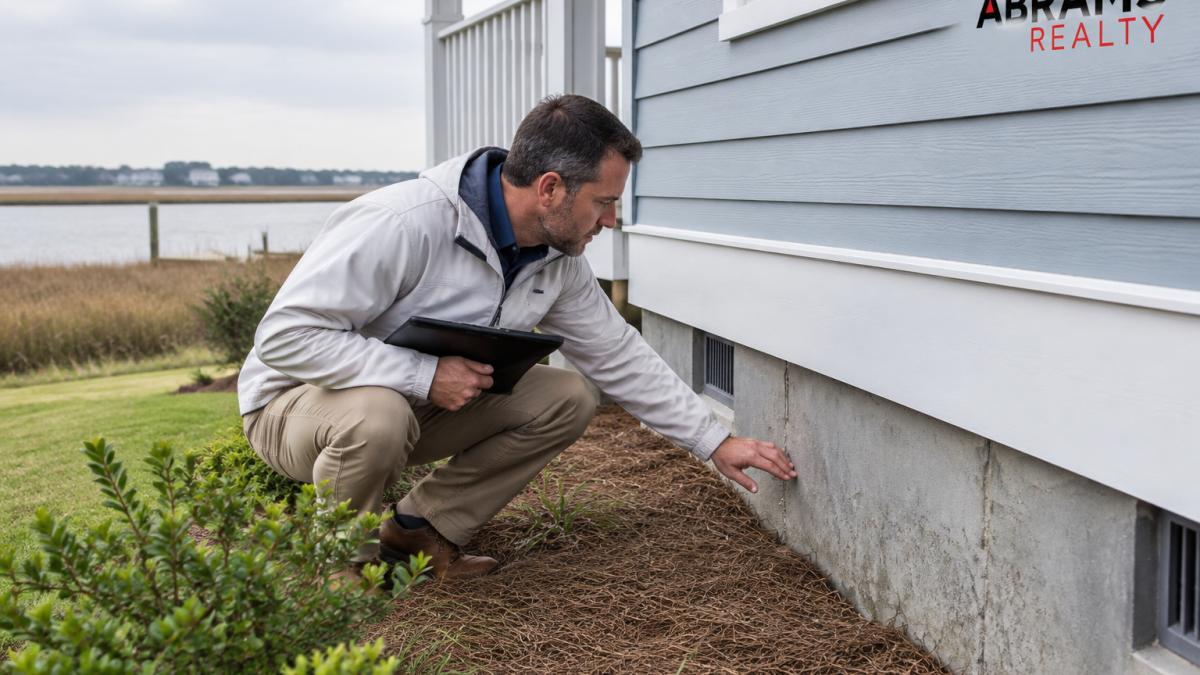
For coastal properties, add moisture intrusion, exterior corrosion, and drainage away from the foundation.
Walk the report against that list. If a major system is absent without explanation, ask why.
Coastal Risks That Separate Local Inspectors From Generic Ones
Coastal Virginia properties face hazards that inland checklists do not address, and an inspector who works this market regularly will know where to look. Wind-driven rain, salt corrosion, high humidity, and tidal flooding all leave signatures that a trained local eye catches.
That means paying attention to roof fasteners and flashing, exterior corrosion on railings and HVAC equipment, moisture in crawlspaces, and grading that pushes water toward the structure rather than away from it. Homes near tidal waterways and low-lying areas warrant a closer look at drainage and past water intrusion.
Buyers who want to understand the broader picture can review how flood risk works across Coastal Virginia, and Virginia Beach buyers can go deeper with a flood risk evaluation guide for local homebuyers. Neither replaces an inspection, but both sharpen the questions worth asking.
Home Inspection Report Red Flags Worth Acting On
Not every finding in a report deserves a renegotiation, but some do, and knowing the difference keeps you from overreacting or underreacting. Structural movement, active water intrusion, roof deficiencies, electrical hazards, and failing HVAC or plumbing systems are the categories that warrant a conversation.
Less urgent items, such as worn caulk or a missing outlet cover, are maintenance notes. They belong on a to-do list, not in a repair request.
Read the report the day it arrives. Your contingency window is finite, and delays cost use. If a finding is unclear, call the inspector and ask them to walk you through it.
Watch out: treating every line item as a bargaining chip can stall a deal over minor items, while ignoring a structural or moisture finding can cost far more after closing.
How Long Does a Home Inspection Take in Hampton Roads?
A typical home inspection takes two to four hours, depending on the home's size, age, and condition. Larger homes, older properties, and crawlspaces or attics with limited access push toward the longer end.
Scheduling matters as much as duration. In a competitive market, inspection contingencies move quickly, so book as soon as your offer is accepted. Ask about availability and turnaround when you call, and confirm when the report will arrive.
To see where the inspection fits in the broader sequence, review the under-contract timeline in Virginia. Understanding that order helps you schedule without losing days.
What an Inspection Does Not Cover
An inspection is not a warranty, an appraisal, or a code-compliance review, and treating it as any of those creates false confidence. Inspectors report on visible, accessible conditions at the time of inspection, which means the value of the report depends as much on what it honestly excludes as on what it includes.
Common exclusions fall into a few groups. Concealed areas behind walls, under flooring, and inside finished ceilings are not opened. Underground systems such as septic and sewer lines are not scoped unless you order a separate sewer scope. Wells, pools, and anything requiring destructive testing sit outside a standard inspection. Environmental hazards like mold, radon, and asbestos typically require separate specialists, and wind mitigation evaluations are a distinct service as well.
Coastal properties add their own gaps. An inspector can note staining, corrosion, or grading that pushes water toward the structure, but confirming past flood damage, tidal exposure, or the condition of pilings below the visible line often calls for an engineer or a specialized assessment. Salt air and humidity leave signatures a trained local eye catches, yet the underlying cause may still need a specialist to confirm.
That is why sequencing matters. Your inspection contingency window is finite, so map the specialists you may need before the report lands rather than after. If the home has a septic system, a well, a pool, or a crawlspace with limited access, line up those assessments early so their findings arrive inside the same window. Ask every inspector what they exclude, in writing, and treat the answer as a to-do list for additional assessments rather than a reason to relax.
Watch out: assuming the inspection cleared a system it never examined, such as the sewer line or the roof covering on a steep pitch, is one of the most common ways buyers absorb a costly surprise after closing.
Working With Abrams Realty on Your Next Inspection
Reliable home inspectors in Virginia Beach share a set of habits: verifiable credentials, a documented scope, coastal awareness, clear reports, and availability when it counts. Those habits are what this guide has walked through, and they are what separates a useful inspection from a costly formality.
Abrams Realty works alongside buyers through every stage of the process, including inspection. The team's military relocation support helps households on tight timelines, and buyers can track new listings through a free Property Tracker account with direct MLS updates.
The practical next step is simple: shortlist two or three inspectors, ask the questions above, and book before your contingency clock runs down. When you are ready to talk through the inspection, the contract, or the search itself, contact Abrams Realty and the team will walk you through it.
Frequently Asked Questions
Why is it so important to get a home inspection?
An inspection gives you an independent look at the property's condition before you commit. Inspections commonly find at least one issue, so it is worth expecting findings rather than assuming a clean report. In practice, inspections surface roof, electrical, plumbing, HVAC, and moisture problems you cannot see during a showing. They also give you leverage to negotiate repairs or re-evaluate the purchase.
What should I look for when choosing a home inspector?
Verify licensing and certification, confirm the inspector carries insurance, and ask what the inspection scope covers. Request a sample report to judge how detailed the findings are. Ask whether the inspector has experience with older homes and coastal conditions common in Virginia Beach and Hampton Roads. Finally, confirm availability and turnaround time so you can stay within your contract deadlines.
What is the biggest red flag in a home inspection report?
Structural concerns, active water intrusion, and major electrical or plumbing defects are the findings most likely to change a purchase decision. Roof issues and foundation cracks that suggest movement also warrant attention. A reliable inspector will separate safety issues from routine maintenance concerns so you can prioritize. Ask follow-up questions on anything flagged as a safety issue before your inspection contingency expires.
How reliable are home inspections?
A home inspection is a visual, non-invasive assessment, not a guarantee of future performance. It reflects conditions visible at the time of inspection and does not cover concealed areas like inside walls or under slabs. Reliability depends heavily on the inspector's experience, certification, and thoroughness. Reviewing a sample report and asking what the inspector does not cover helps you set realistic expectations.